Sustainable Excavation: Balancing Development and Environmental Preservation in Vermont Sep 14, 2026
Excavation is an essential part of the construction process, providing the groundwork for infrastructure and development projects. However, traditional excavation methods can often pose significant risks to the environment, such as soil erosion, disruption of natural habitats, and water quality issues. Fortunately, sustainable excavation strategies offer a way to minimize these impacts, aligning with Vermont's commitment to environmental stewardship.
One fundamental approach to sustainable excavation is careful planning and site analysis. Before any digging begins, a comprehensive evaluation of the site is essential. This includes identifying existing ecosystems, water sources, and potential risk zones. By using technology like Geographic Information Systems (GIS) and satellite imagery, Vermont Excavation employs the latest tools to gather data effectively and strategize accordingly. This data-driven approach helps ensure minimal disruption to the environment during the excavation process.
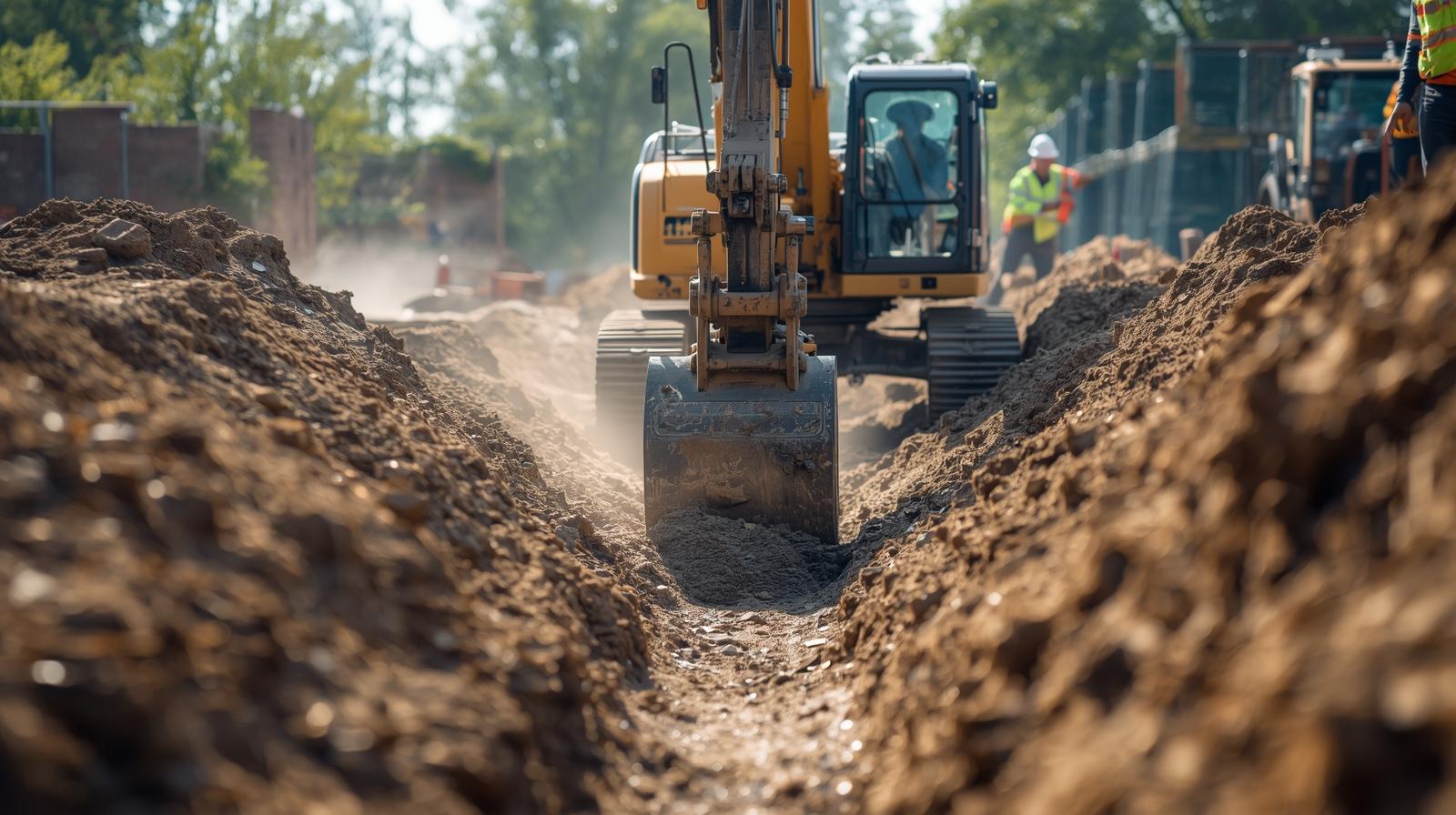
Implementing precision excavation techniques is another critical aspect of our sustainability efforts. By using advanced machinery and GPS technology, we can carry out excavation work with extreme precision. This reduces the overall amount of disturbed land, preserving vital topsoil and decreasing the impact on the surrounding flora and fauna. Additionally, precision excavation minimizes waste, which can be both costly and environmentally damaging.
Handling waste responsibly is another pillar of sustainable excavation. At Vermont Excavation, we prioritize recycling and repurposing over landfill disposal whenever possible. Recovered materials from excavation sites, such as gravel and soil, can be reused for landscaping or road construction, reducing the need for fresh raw materials. This practice not only conserves natural resources but also diminishes the carbon footprint associated with transporting new materials.
Moreover, protecting water resources is paramount in our operations. Excavation activities often occur close to water bodies, which can be vulnerable to sediment runoff and pollution. Implementing erosion control measures, such as silt fences and sediment basins, helps prevent these issues, keeping Vermont's waterways clean and ecosystems thriving.
Community engagement also plays a significant role in sustainable excavation. Informing and consulting with local communities about upcoming projects ensures transparency and fosters a collaborative approach to development. Hearing local concerns and incorporating feedback into project plans promotes a sense of ownership and support from the community, which is essential for successful, sustainable development.
As industry leaders, Vermont Excavation is dedicated to setting new standards for sustainable excavation practices. By integrating advanced technology, responsible waste management, water protection measures, and community engagement into our services, we not only meet regulatory requirements but also exceed them.
In conclusion, sustainable excavation is not a mere trend but a necessary evolution toward responsible development. At Vermont Excavation, we are proud to champion methods that balance Vermont’s growth with its environmental preservation priorities. By choosing a company that commits to environmentally responsible practices, clients can be assured that their projects contribute positively to Vermont’s future, ensuring that this state remains as picturesque and vibrant for future generations as it is today.
/filters:no_upscale()/filters:format(webp)/media/e40d67fa-ff6b-4992-a75b-5d26d20624b9.png)