Safety First: Best Practices in Excavation Safety for Vermont Construction Sites Jul 30, 2026
When beginning any excavation project, proper planning is crucial. Before breaking ground, a comprehensive site assessment should be conducted. This involves identifying potential hazards such as nearby utility lines, water sources, and assessing the soil’s stability. Working with experienced professionals who understand Vermont's unique geological and weather-related factors can help mitigate potential risks early on.
Once these initial assessments are complete, it's vital to establish a detailed excavation safety plan. This document should outline specific procedures for all excavation-related activities, assign roles and responsibilities, and include measures for emergency situations. A well-maintained and readily accessible safety plan not only contributes to project efficiency but can also significantly reduce the likelihood of accidents.
Communication is another key element in maintaining safety on Vermont construction sites. Regularly scheduled meetings and effective communication systems should be in place to ensure that every team member is aware of safety procedures and any changes to the excavation plan. This ongoing dialogue fosters a culture of safety and accountability, where team members feel confident to voice concerns or suggest improvements.
Training is indispensable for ensuring excavation safety. Each worker should receive comprehensive training covering all relevant safety protocols, equipment handling, and emergency response strategies. Vermont Excavation emphasizes continuous education, ensuring team members are up-to-date with the latest safety standards and technological advancements that can aid in maintaining secure work environments.
Personal protective equipment (PPE) is non-negotiable in excavation safety. From helmets and gloves to reflective vests and steel-toed boots, providing the right PPE can significantly reduce the risk of injury. While it's important to supply these essentials, it’s equally important that they are properly used and maintained. Routine checks should be performed to ensure all safety gear is in optimal condition.
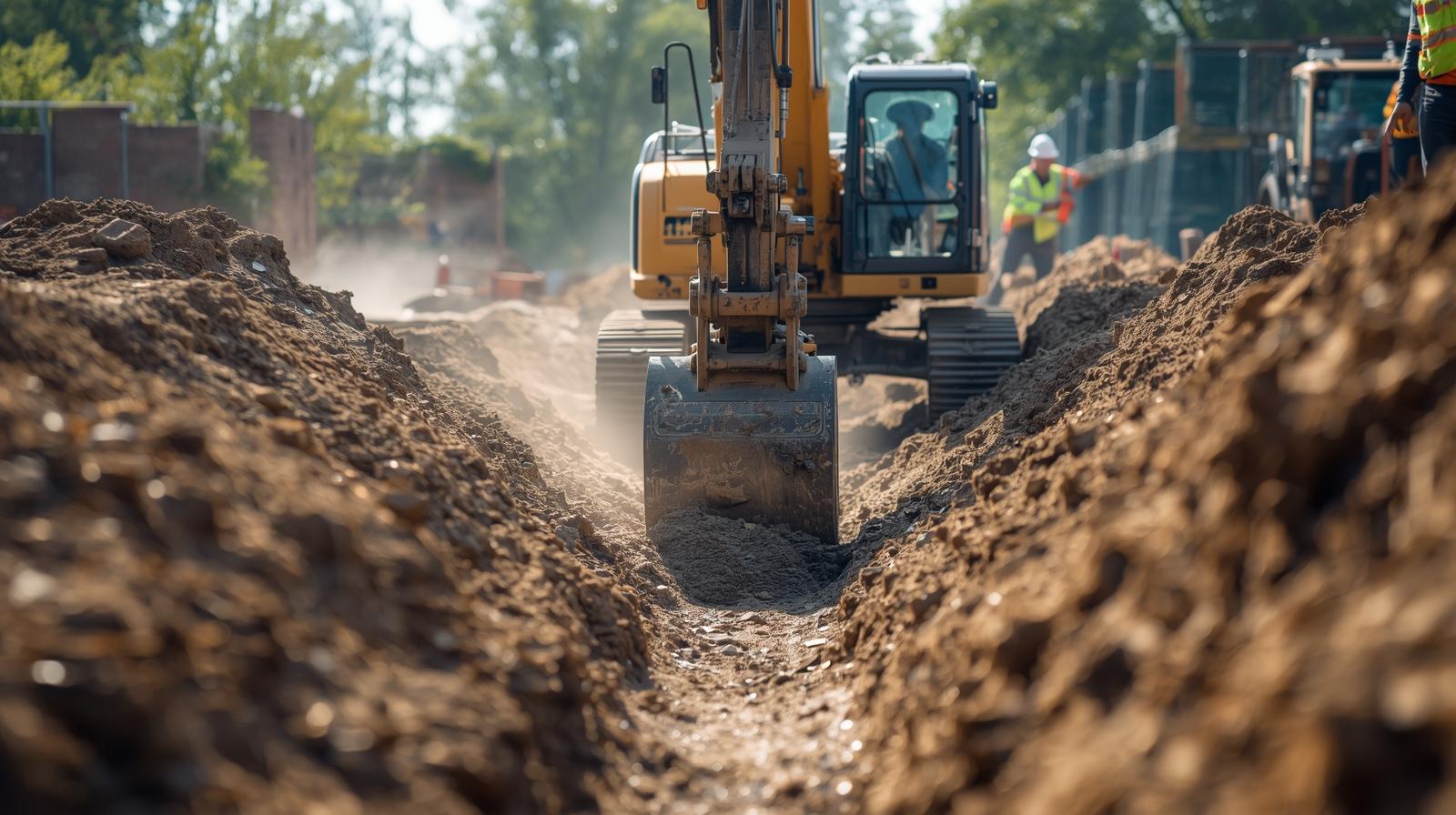
Another critical element of excavation safety is understanding the dangers of unstable soil and trench collapses. Using protective systems such as sloping, shoring, or shielding is crucial when working with deep trenches. These systems help prevent soil shifts and collapses, which are among the most common hazards in excavation work. Employing advanced monitoring equipment to detect shifts in ground stability can offer an additional layer of safety and peace of mind.
Concluding, excavation safety on Vermont construction sites involves a proactive approach that combines thorough planning, effective communication, comprehensive training, and the use of advanced safety gear and techniques. Vermont Excavation is committed to prioritizing these elements, ensuring that each construction project is completed safely and efficiently. By implementing these best practices, construction companies can protect their most valuable asset—their people—while achieving successful project outcomes. Prioritizing safety doesn't just benefit the workers; it benefits the entire community by ensuring that structures are built to last without compromising on safety.
/filters:no_upscale()/filters:format(webp)/media/e40d67fa-ff6b-4992-a75b-5d26d20624b9.png)