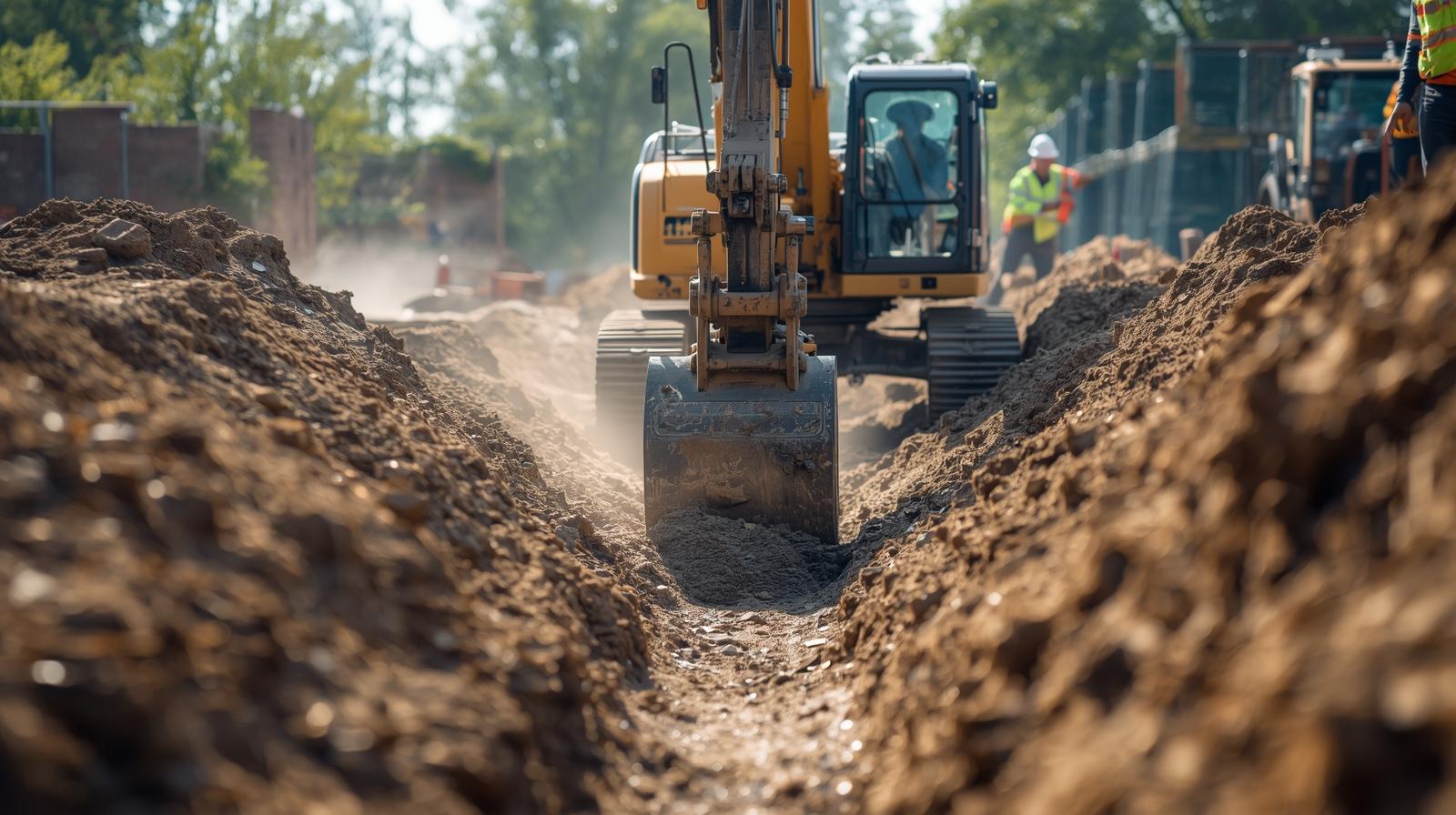
Innovative Technologies Transforming the Excavation Industry in Vermont Jun 22, 2026
The history of excavation is deeply rooted in manual labor and heavy machinery, which, while effective, often came with significant limitations. From safety concerns to environmental impact, these traditional methods posed challenges that demanded smarter solutions. Today, the integration of innovative technologies addresses these concerns with remarkable precision and foresight.
One of the most notable advancements in excavation technology is the use of Global Positioning System (GPS) and Geographic Information System (GIS) technologies. These tools allow Vermont Excavation to precisely map and plan projects, significantly reducing downtime and waste. GPS technology provides real-time data for operators, ensuring that every move is calculated and efficient. This not only speeds up the excavation process but also minimizes environmental disturbance—a crucial factor in Vermont's environmentally conscious communities.
Moreover, the advent of drone technology has ushered in a new era of site surveying and monitoring. Vermont Excavation utilizes drones to capture aerial views of project sites, enabling detailed assessments without the need for extensive on-ground intervention. This bird's-eye perspective is invaluable for project planning and progress monitoring, ensuring that work stays on schedule and within budget.
Autonomous and semi-autonomous machinery is another game-changer, reducing the need for manual labor and enhancing safety on job sites. These machines, often equipped with advanced sensors and AI, can operate in challenging conditions that would be hazardous for human operators. For Vermont Excavation, this means safer and more efficient work processes, as machines handle tasks ranging from digging precise trenches to removing debris—all with minimal human intervention.
Sustainability is a key concern in the excavation industry, particularly in environmentally sensitive areas. Vermont Excavation is committed to reducing its carbon footprint by embracing green technologies. Machine efficiency is improved with hybrid and electric-powered equipment, leading to reduced fuel consumption and emissions. In tandem, intelligent resource management systems track and optimize energy usage throughout projects, aligning with Vermont's climate goals.
The integration of Building Information Modeling (BIM) into excavation projects is yet another innovation. BIM provides a digital framework for planning and managing construction projects, aiding in the seamless collaboration between all stakeholders. By visualizing each stage of the project lifecycle, BIM helps Vermont Excavation anticipate challenges and plan more effectively, ultimately saving time and resources.
As Vermont’s landscape continues to capture the imagination and heart with its natural beauty, preserving this heritage is paramount. Vermont Excavation recognizes this responsibility and is dedicated to implementing technologies that ensure projects are completed without compromising the environment. By adopting advanced tools and methods, they improve not only project outcomes but also maintain the state's pristine natural environment for future generations.
In conclusion, the excavation industry in Vermont is transforming, driven by innovative technologies that promise greater efficiency, safety, and environmental responsibility. Vermont Excavation's commitment to adopting these advanced tools not only improves their service delivery but also aligns with the broader goals of sustainable development. As these technologies continue to evolve, Vermont Excavation is poised to lead the way, setting new standards in the excavation industry while honoring Vermont's natural heritage.
/filters:no_upscale()/filters:format(webp)/media/e40d67fa-ff6b-4992-a75b-5d26d20624b9.png)